Open today · 7am–7pm
Dry Needling · Doral, FL

Reach the tension
stretching
won't release.

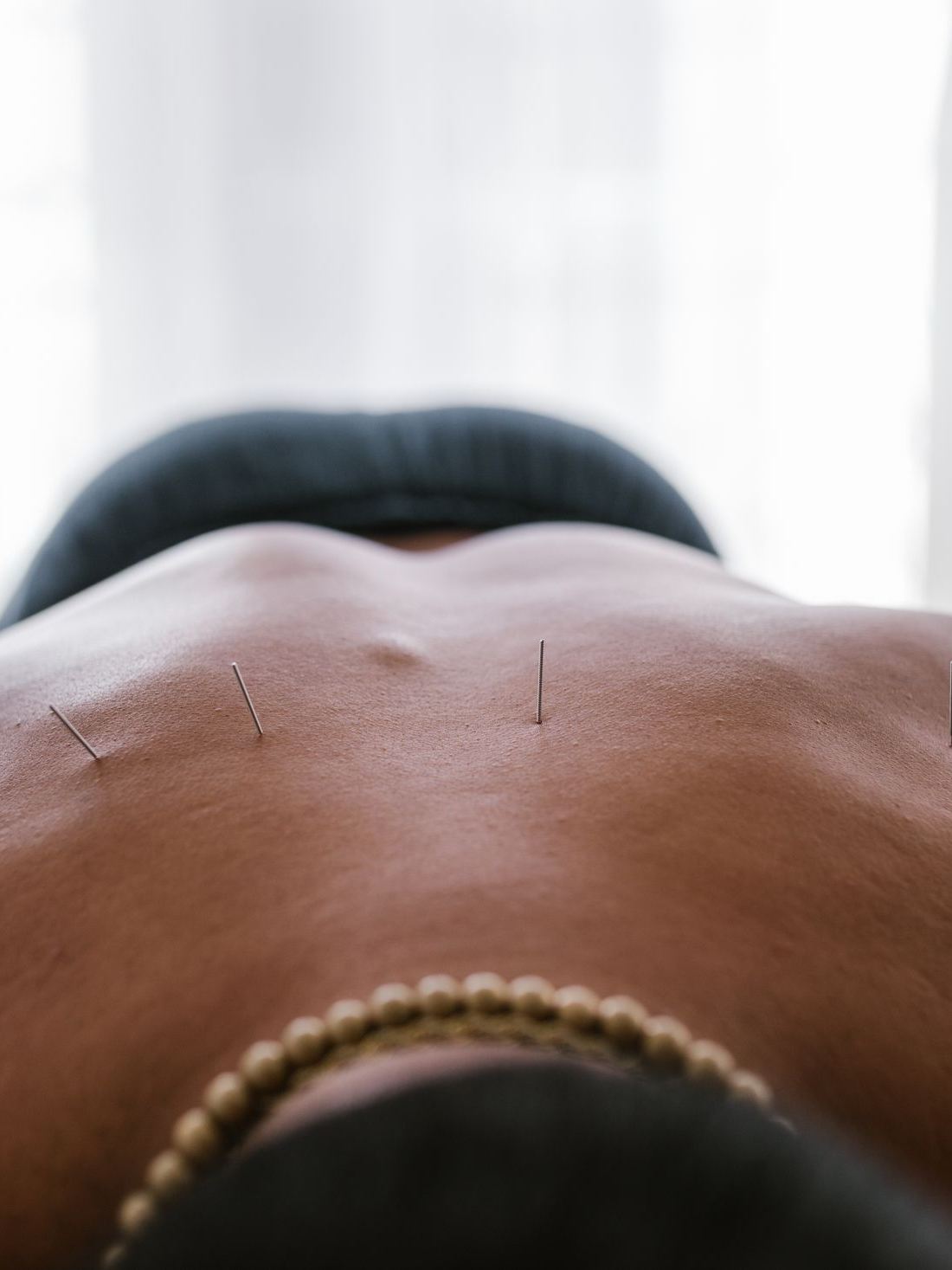
Dry needling targets the trigger points and chronic muscle tension that massage, stretching, and self-care can't reach. A single thin needle into the exact band of tight muscle — a reset for the tissue, a release for the pain. Always paired with manual therapy and a corrective exercise plan, never delivered alone.
5–15min
per area treated
0
anesthesia · medication
+PT
always combined with care
Dry needling trigger point release at Elevate Therapy Doral
Live session · Trigger point release
One thin needle,
placed where the pain lives.
Best for
Tension that won't release on its own.
Tried massage & stretching? ↗ Start here
Best for · Neck Tension / Headaches / Low Back / Sciatica Pattern / Shoulder / Sport Overuse
↳ Scroll
01 · How it works
02 / What it treats

12 patterns —
one precise tool.

Dry needling is most effective on chronic muscle tension and myofascial trigger points — the tightness that lingers in the tissue long after the original injury has healed.

01
Chronic Neck Pain
Stiffness, limited rotation, the desk-job ache that won't unwind.
02
Tension Headaches
Headaches with a clear muscle source — suboccipitals, traps, jaw.
03
TMJ Dysfunction
Jaw clicking, clenching, soreness opening wide.
04
Shoulder Impingement
Pinching with overhead reaching — rotator cuff and surrounding tissue.
05
Upper Back & Traps
The "knots" between the shoulder blades that come back every week.
06
Low Back Pain
Myofascial pattern — quadratus lumborum, paraspinals, glute meds.
07
Sciatica-Pattern Pain
Glute-deep pain shooting down the leg — often piriformis-driven.
08
Hip & Piriformis
Deep hip pain that aches when sitting or driving.
09
IT Band Syndrome
Lateral knee/thigh tightness — runners, cyclists.
10
Plantar Foot Pain
When the pattern is myofascial — calves, intrinsic foot, posterior tib.
11
Sport Overuse Tightness
Chronic stiffness from training load — quads, calves, forearms.
12+
Not sure?
Ask us.
Free 15-min phone screen →

Note: dry needling is contraindicated for needle phobia, bleeding disorders or active anticoagulant therapy, local infection, and a few other conditions. Your Initial Evaluation screens for safety before any needle is placed.

03 / How it works

One needle, three things happen.

A trigger point is a tight, dysfunctional band of muscle that won't release on its own. The needle reaches it directly — and the muscle does the rest.

01

Trigger Point Release

A single thin filament needle (much thinner than a hypodermic) is placed directly into the taut band of muscle. The mechanical input itself breaks the contracture cycle that keeps the fiber locked.

Direct mechanical input
02

Local Twitch Response

When the needle hits the right band, the muscle gives a brief involuntary twitch. That's the dysfunctional fiber resetting itself — and the strongest predictor of a good outcome. Brief, sometimes surprising, never painful.

The reset moment
03

Move & Reinforce

This is where most clinics stop — and where the tension comes back next week. We pair every needling session with manual therapy and a targeted exercise plan so the muscle learns a new pattern, not just a quieter old one.

The Elevate difference
"Dry needling reaches the muscle in a way manual therapy alone can't — when you pair it with the right movement plan, it changes how quickly chronic tightness actually clears."
Dr. Natalie Gonzalez · DPT · Clinic Director
3–6
Typical sessions per area for chronic myofascial pain
5–15min
Needling time per area, integrated into a full PT visit

Outcomes drawn from peer-reviewed reviews on dry needling for myofascial pain (e.g., Kietrys et al. 2013, Liu et al. 2018, Gattie et al. 2017). Individual results vary — recovery is a process, not a promise.

04 / What to expect

No surprises.
Just the plan.

Most patients are nervous about needles because nobody explains the actual experience. Here is exactly what your dry needling care looks like, step by step.

Visit 01

Initial Evaluation

A full evaluation with one of our doctors. We find the actual driver of your pain, screen for contraindications, and decide together whether dry needling fits the plan.

~ 60 min · No needling yet
Visit 02

First Needling

Integrated into your regular therapy visit — usually just a 5–15 minute portion. A few thin needles into the exact bands of muscle, followed by manual therapy and your movement plan.

~ 45 min total visit
Weeks 2–4

Mid-Treatment

One to two sessions per week. Most patients notice meaningful tension release after 2–3 sessions. Some feel mild soreness the next day — that's the muscle rebooting, not damage.

3–6 sessions typical
Outcome

Move freely

Tension released, range restored, the old pattern broken. We tune your movement plan so the tightness doesn't creep back — and we stay in your corner for the long haul.

Maintenance check-ins available
During the session
  • The area is cleaned with alcohol
  • Sterile, single-use filament needles only
  • Brief twitch responses are expected
  • Talk and breathe — you stay in control
After the session
  • Mild soreness for 24–48 hrs is normal
  • Hydrate well; light activity encouraged
  • Occasional small bruise — harmless
  • Drive home, train tomorrow
Honest expectations
  • Most feel relief within 2–3 sessions
  • Chronic patterns may need 6+ visits
  • The movement plan is non-negotiable
  • Some areas hold tension; some let go fast
05 / Why us

Needling alone is a tool.
It's the system around it that works.

Most clinics either skip dry needling entirely or run it as a standalone "quick fix." We treat it as one piece of a complete therapy plan — never the whole plan.

Certified, never delegated

Dry needling is delivered by a licensed therapist with formal certification — never an aide. The plan around it is built by one of our doctors so we target the right muscle, not just any tender spot.

Always paired with movement

The needle releases the tension. Manual therapy and a targeted movement plan teach the muscle a new pattern. That's how the release sticks — not for a day, but for the long haul.

Honest about the fit

If your pain isn't muscular — or if you're not comfortable with needles — we'll say so on day one and route you to what does fit. No upsell, ever.

06 / Investment

Most patients
add it to PT.

Dry needling is rarely a standalone service — it's most often a tool layered into your physical therapy plan. That makes it both more effective and more affordable. Standalone sessions are available if PT isn't right for your situation.

The most common path
Add-on to your PT visit

Already coming in for physical therapy? Adding dry needling to your existing visit is the highest-value way to use it — the muscle reset plus the movement work, all in one session.

Recommended

PT Add-On

Layered into your regular therapy visit. Most patients add it once or twice per week through the early phase, then taper.

$60 add-on per visit
Add to my next visit →
Standalone session

Focused Session

For patients who only want the needling work — a focused 30-minute session. Best for chronic muscle tension that doesn't need a full PT plan.

$120 per session
Start here
Free 15-min phone screen — is dry needling right for you?

Before you book a paid Initial Evaluation, we'll talk through your case on the phone and tell you honestly whether dry needling fits your pattern — at no cost.

Request the screen →
07 / Patient outcome
"Three years of neck tension and weekly massages that lasted two days. Four needling sessions in, the knot finally let go."
Anonymous · 38, Doral
Chronic upper-trap tension · Sleeping through the night by week 3
The protocol
WEEK 1 Initial Evaluation — mapped trigger points across traps + suboccipitals. Built movement plan.
WEEK 2 First needling + manual therapy + postural reset exercises.
WEEK 3 Tension noticeably lower. Sleeping through the night for the first time in months.
WEEK 4 Fourth needling session. Full range of motion restored. Tapered to once-monthly.
WEEK 12 Maintaining with movement plan alone. Check-ins as needed.
08 / FAQ

The shockwave
questions we get most.

Don't see your question? Call us at (786) 828-6161 — we answer.

Is dry needling the same as acupuncture? +
No. Acupuncture is rooted in traditional Chinese medicine and follows meridian theory. Dry needling is a Western, evidence-based approach delivered by trained physical therapists — the needle is placed into a specific tight muscle band (the trigger point) for a mechanical and neurological effect. Same tool, completely different framework.
Does it hurt? +
The needle insertion itself is usually painless — these are very thin filament needles, much smaller than a typical hypodermic. When the needle finds the right muscle band, you'll feel a brief deep ache or a quick twitch — that's the muscle releasing. Uncomfortable for a second, never sharp.
How many sessions will I need? +
Most patients with chronic muscle tension respond to 3–6 sessions, one or two per week. Some areas release in one or two visits; deeply held patterns take longer. We don't sell sessions you don't need — if the muscle releases, we move on.
When will I feel relief? +
Many patients feel a noticeable release right after the first session. Some need 2–3 sessions before the change holds. The movement plan we build with you is what makes the release stick — needling without follow-through usually wears off in days.
Do I need a referral from another doctor? +
No. Florida is a direct-access state — book your Initial Evaluation and we'll go from there. If you've already seen a doctor for the issue, bring any notes or imaging; they help us tune the plan, but they're not required.
Are there side effects? +
Mild soreness for 24–48 hours after a session is normal — the treated muscle is releasing and remodeling. Occasionally a small bruise at the needle site. Serious side effects are very rare when needling is delivered by a properly-trained licensed therapist. Hydrate well; light activity the same day is actually helpful.
Who shouldn't get dry needling? +
Patients with bleeding disorders or on active anticoagulant therapy, local skin infection at the treatment site, severe needle phobia, or first-trimester pregnancy (for certain areas). The Initial Evaluation screens for all of these before any needle is placed.
Let's begin

Release what won't
let go on its own.

Book an Initial Evaluation — or request the free 15-minute phone screen. We'll tell you honestly whether dry needling fits your pattern, how to layer it into your plan, and what it would cost. No pressure, no upsell.

Same-week
intake
EN·ES
bilingual
Hands-on
therapist care
Dry Needling Intake ~ 30 SEC

We respond within one business day. HIPAA-aware.